Vinted: Shop & sell pre-loved
- 4.5
- Rating
- 100.00M
- Installs
- Free
- Price

 Analysis by App-foxy
I came away from Vinted thinking of it less as a normal shopping app and more as a busy second-hand marketplace that rewards patience. The basic idea is simple: people list items they no longer want, other members browse them, and the app brings both sides together. In practice, the experience depends heavily on how carefully you search, how well you judge a listing, and how comfortable you are communicating with another person rather than buying from a traditional retailer.
That distinction matters. If I want a predictable product, fixed sizing, and a straightforward return process, I would usually choose a conventional store. If I want to find a discontinued clothing piece, clear out items from my own wardrobe, or pay less for something that is already in circulation, this shopping app makes much more sense. Its strongest quality is the breadth created by its community; its biggest weakness is that the quality and accuracy of each listing can vary.
What using Vinted feels like in everyday shopping
Vinted is a free shopping app from the developer Vinted, aimed at buying and selling second-hand items. It carries a Teen content rating, runs on Android 7.0 and later, and its current version is 26.7.2. The app has been available since October 10, 2021, and its reach is substantial, with over 50 million installs and an average rating of 4.0 from around 2.1 million ratings.
You May Also Like

 AccuWeather: Weather Radar
AccuWeather Review: A Quick, Clear Forecast for Everyday Decisions
For everyday plans, the best forecast is the one you can understand quickly. AccuWeather makes rain timing, radar, and local conditions easy to act on, with a few trade-offs.

 Hill Climb Racing
Why Hill Climb Racing Still Turns Crashes Into One More Run
A tiny car, a bumpy hill and one more upgrade: Hill Climb Racing keeps resurfacing because its simple chaos makes every near-miss feel personal.

 AliExpress - Shopping App
AliExpress Makes Global Shopping Feel Personal, but Shoppers Bear the Risk
AliExpress turns a global marketplace into a pocket-sized discovery engine. Its reach is useful, its shopping loop compelling, and its trade-offs easy to miss.

 Lords Mobile: Kingdom Wars
Lords Mobile Is a Kingdom-Building Routine, Not a Quick Match
A case-by-case verdict on the building, battles, device demands, and social commitments that make Lords Mobile rewarding for some players and exhausting for others.

 PDF Scanner app - TapScanner
TapScanner Makes Paperwork Easier to Capture, Check, and Share
TapScanner makes scanning with a phone feel less like a rescue operation and more like a dependable step in getting work done. Its capture tools are useful, though not flawless.

 Block Blast!
 Shows How Much a Puzzle Game Can Leave Out
A quiet grid game shows why puzzle players increasingly value instant clarity, repeatable skill and low-pressure play—and where the genre still needs to catch up.
More From Our News Desk
View All News


Those figures suggest a large and active marketplace, but they do not remove the need for judgment. A large community gives me more chances to find a particular size, brand, color, or style. It also means listings can differ widely in photography, descriptions, response speed, and condition. I have to treat every item as an individual transaction rather than assuming the polished consistency I would get from a retailer.
The opening experience is easy to understand. I can browse categories, search for a specific item, inspect photos, read the seller’s description, and decide whether to buy or contact the seller first. When selling, the process is built around creating a listing with images and details. The app’s value comes from making these activities feel like two sides of the same marketplace rather than separate shopping and classified-ad experiences.
Why the community is the main advantage
The most convincing reason to use Vinted is the chance of finding something that would be difficult to locate in a normal shop. Second-hand inventory changes constantly, so browsing can uncover older styles, lightly used clothing, accessories, and other pre-owned goods that are no longer part of a current collection. I especially like this when I know roughly what I want but am not tied to one exact retailer.
Search discipline makes a noticeable difference. Instead of searching only for a broad phrase, I get better results by combining the item type with a brand, material, color, or size. I also compare several listings before choosing one. A lower price is not automatically the best deal if the photos are poor, the description is vague, or the seller has not shown the areas most likely to have wear.
One useful habit is to save promising items while continuing to compare. That prevents an impulse purchase based on the first acceptable result. It is also worth checking whether similar listings appear from sellers with clearer photos or more complete descriptions. On a marketplace like this, information quality is part of the product.
A realistic buying example
Imagine I need a warm coat for commuting but do not want to pay full retail price. I would begin with a fairly narrow search, then inspect the measurements and photos rather than relying only on the label size. I would look closely at cuffs, seams, zippers, lining, and any areas that receive regular wear. If the description says the coat is in good condition but the images do not show the inside or the fastening, I would ask before buying.
That extra step can feel slower than ordinary online shopping, but it is exactly where Vinted differs from a standard store. A retailer usually gives me a consistent product page, while a community listing gives me a particular item with its own history. If the seller answers clearly and the listing matches what I need, the purchase can be excellent value. If the answers are evasive or the item is described too generally, I move on.
This approach also helps with sizing. Second-hand clothing may have been washed, altered, stretched, or labeled according to a different sizing system. Comparing measurements from the listing with a garment I already own is more reliable than trusting a familiar size alone. That is one of the most practical ways to avoid disappointment.
Selling is more than taking one photo
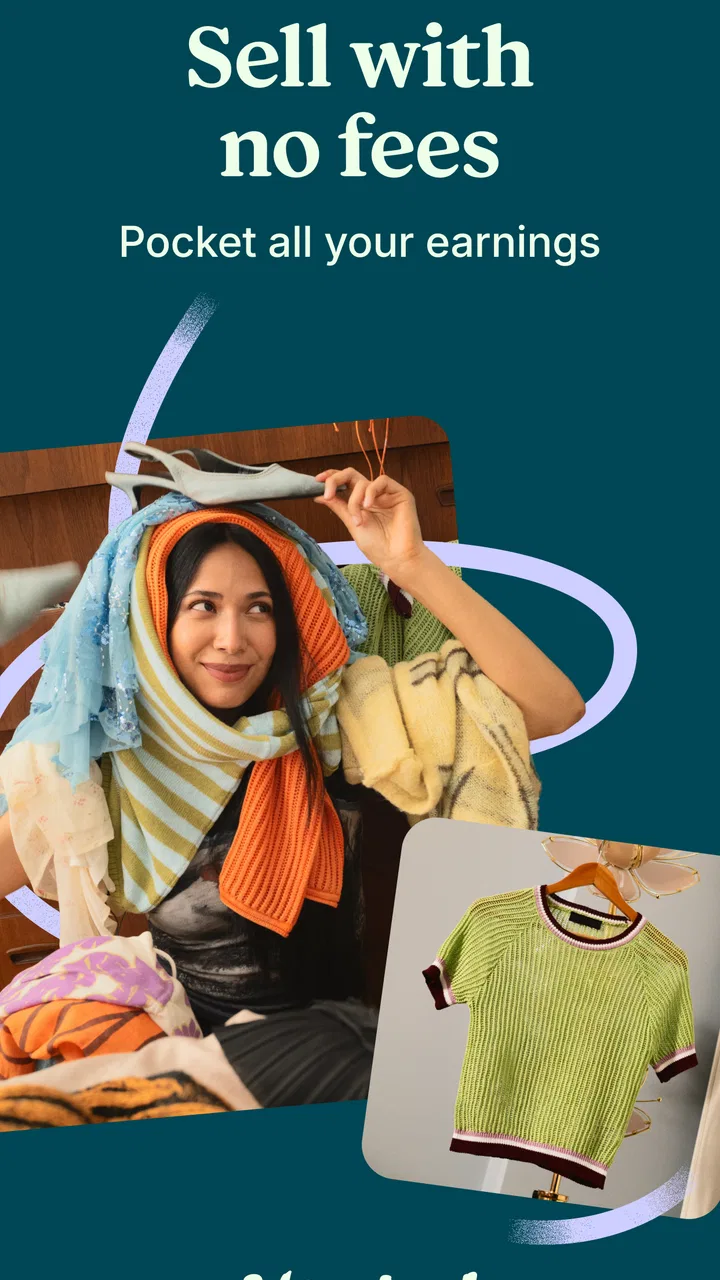
For sellers, the app is appealing because unused items can become useful to somebody else instead of remaining in a wardrobe or storage box. I would not describe the process as effortless, though. The quality of the listing affects how quickly it attracts serious interest. A bright, uncluttered photo, an accurate condition description, and relevant measurements make a much stronger impression than a rushed upload.
I find it helpful to photograph the item from several angles and include close views of flaws rather than hoping a buyer will overlook them. Mentioning fading, pilling, missing labels, small marks, or alterations may reduce the number of casual enquiries, but it also makes the eventual transaction more predictable. Honest detail is not just good manners; it is a practical way to reduce disputes and wasted time.
Another useful selling workflow is to prepare a small group of listings together. I can clean and inspect several items, photograph them in the same place, and write descriptions while the details are fresh. That is more efficient than repeatedly starting from scratch. I would also keep the item available until the transaction is properly completed, because second-hand selling becomes confusing when the same item is promised to multiple people.
The trade-off is that selling still requires attention after the listing goes live. I may need to answer questions, adjust expectations, and make sure the item is packed appropriately. Someone who wants a completely hands-off resale service may find this more work than expected.
The details I check before buying
Photos deserve more attention than a quick glance. I look for natural signs of use, but I also check whether the images are recent and whether they show the exact item described. A generic description paired with a single distant photo gives me little confidence. Multiple clear views do not guarantee perfection, but they make it easier to form a realistic opinion.
I read the wording carefully for clues about condition. Phrases such as “worn a few times” can mean different things to different people, so I prefer descriptions that explain where and how the item was used. For footwear, I would inspect soles and interiors. For bags, I would check corners, handles, closures, and lining. For electronics or objects with moving parts, I would want the description to address operation and visible damage rather than simply call the item “good.”
I also consider whether the listing gives enough information to identify a mismatch before purchase. Brand labels, measurements, model details, and material information can be more useful than a long promotional description. When an item is unusual or expensive, asking a focused question is sensible. A seller’s response can reveal whether they have actually inspected the item.
My strongest practical tip is to decide what flaws I can accept before I search. Second-hand shopping is not about finding an item with no history; it is about finding a condition that matches the price and my intended use. A small mark may not matter on a casual bag, while the same mark could be unacceptable on something intended as a gift.
Where the experience becomes frustrating
The central weakness is inconsistency. Vinted connects me with individual sellers, so the app cannot make every listing equally clear or every interaction equally smooth. Some people provide excellent photos and precise descriptions. Others use minimal wording, upload dark images, or omit information that I consider important. The marketplace is only as useful as the listings I am willing to evaluate.
Browsing can also become time-consuming. Because inventory is constantly changing, I may see many near-matches before finding the right item. That is enjoyable when I am exploring, but less convenient when I need something specific quickly. The app suits flexible shoppers better than people who need a guaranteed product by a particular day.
Negotiation and messaging add another layer of friction. They can help me clarify condition or reach an agreement, but they also mean that a purchase is not always as immediate as tapping “buy” in a regular shop. Delayed replies, unrealistic offers, and unclear expectations can make a simple transaction feel unnecessarily long.
There is also a psychological trade-off. A low listed price can make an item seem like an obvious bargain, but I still need to account for the total cost and the risk of receiving something that does not meet my expectations. I avoid judging value from the item price alone. The real question is whether the condition, description, and final purchase cost make sense together.
How it compares with ordinary alternatives
Compared with a standard retailer, Vinted offers more variety in pre-owned goods and more room for unusual finds. The retailer wins on consistency: product photos are usually standardized, stock is easier to understand, and sizing or specifications are presented in a more uniform way. I choose the retailer when certainty and speed matter more than finding a bargain.
Compared with local classified listings, Vinted feels more focused on second-hand shopping and browsing. Local listings can be useful when I want to inspect an item in person or avoid waiting for delivery, but they often require more coordination. Vinted is more convenient for discovering items beyond my immediate area, although I give up the ability to examine the item physically before committing.
Compared with charity shops or physical thrift stores, the app saves me travel and lets me search with much greater precision. A shop visit can produce a pleasant surprise, but it may also end with nothing suitable. Vinted is better when I know the kind of item I want. Physical shopping is better when I enjoy examining fabrics, fit, and condition directly.
For sellers, the choice is similarly personal. A local sale may be quicker for bulky items or for someone who prefers face-to-face collection. Vinted is more attractive when I want access to a broader pool of interested buyers and am prepared to create a careful listing and manage the transaction through the app.
Who will get the most from it
I recommend Vinted most strongly to patient shoppers who enjoy comparing listings and can judge condition from photos and descriptions. It is particularly useful for people building a more affordable wardrobe, looking for discontinued pieces, or selling items that still have practical or style value. It also suits anyone who likes the idea of extending the life of goods rather than treating every purchase as new.
Parents and other fast-changing households may find the resale model useful because clothing and accessories can become unnecessary while still being usable. The same is true for people who are experimenting with a style and do not want to pay full price for every item. A carefully chosen second-hand purchase can make that experimentation less expensive.
I would be more cautious recommending it to someone who dislikes uncertainty, needs an item immediately, or is uncomfortable asking questions about condition. It is also not my first choice for a purchase where exact specifications, guaranteed compatibility, or a highly predictable after-sales experience are essential. In those situations, a specialist retailer is usually the safer option.
Account, compatibility, and everyday practicality
The app is free to install, which makes it easy to try without committing financially at the beginning. Its Teen rating is worth keeping in mind for families deciding whether a younger user should browse or sell independently. I would still encourage any user to approach transactions carefully, keep descriptions accurate, and avoid rushing because an item looks scarce or unusually cheap.
Android users with version 7.0 or later can run it, so compatibility covers a broad range of devices. The current version, 26.7.2, is the one I would use when reviewing the experience, since marketplace tools and browsing behavior can change as the app is updated. The large audience is a strength, but it also means the app can feel busy: there is a lot to sort through, and the best results come from using deliberate searches rather than endless scrolling.
My advice for a first purchase is simple. Start with a relatively low-risk item, choose a listing with clear photographs and a detailed description, and read everything before deciding. For a first sale, choose something easy to describe and package, photograph its condition honestly, and keep the listing information consistent with what the buyer will receive. These small choices make the platform feel much more manageable.
My final judgment
Vinted works because it turns second-hand shopping into an active community marketplace rather than a small collection of leftover stock. Its reach gives me genuine discovery potential, and the free app makes both buying and selling accessible. I especially value it when I have time to compare options, verify details, and accept that a pre-owned item may show signs of its previous life.
It is not a replacement for every type of shopping. The variable quality of listings, the need for communication, and the time required to assess condition are real costs. I would not use it when I need guaranteed uniformity or an immediate, no-questions-asked purchase. But for clothing, accessories, and other second-hand finds, those compromises can be worthwhile.
My clear recommendation is to use it as a careful marketplace, not as a digital bargain bin. Search narrowly, inspect the evidence, ask precise questions, and judge the complete deal rather than the headline price. If that sounds reasonable to you, Vinted is a strong choice for finding pre-owned items and giving your own unwanted things another chance. If you prefer certainty above all else, a conventional retailer will probably suit you better.
FAQs for Vinted: Shop & sell pre-loved
01How does Vinted work for buying and selling items?
Vinted is a platform that allows users to buy and sell pre-loved clothing and accessories. To sell, users upload photos, set prices, and list items. Buyers can browse, purchase, and pay securely through the app. Vinted provides a user-friendly interface for both parties, ensuring smooth transactions and communication.
02Is it free to use Vinted, and are there any hidden fees?
Vinted is free to download and use for buying and selling. Sellers don’t pay listing fees, but Vinted takes a commission on sales. Buyers may encounter a small buyer protection fee. Both parties should check the terms to understand any applicable fees before using the app.
03What payment methods are accepted on Vinted?
Vinted supports several payment methods to ensure convenience and security for users. Buyers can pay using credit/debit cards or PayPal. The app handles transactions securely, protecting both buyers and sellers. Always verify the accepted payment methods in your region, as they may vary.
04How does Vinted ensure the safety and quality of items?
Vinted encourages sellers to provide accurate descriptions and clear photos. Buyers can rate sellers and leave feedback, building a trustworthy community. While Vinted doesn’t inspect items directly, its community guidelines and dispute resolution process help maintain quality and safety standards.
05What should I do if I encounter issues with a transaction?
If you face any issues, such as receiving an item not as described, Vinted offers a resolution center to help. You can contact the seller directly, and if unresolved, escalate the issue through Vinted’s support. The app provides guidance to ensure fair outcomes for both buyers and sellers.
Pros
- User-friendly interface for easy navigation.
- Built-in chat for seamless buyer-seller communication.
- No listing fees
- making selling more profitable.
- Diverse categories for wide range of items.
- Secure payment options for safe transactions.
Cons
- Limited availability in certain countries.
- Occasional delays in customer service response.
- Seller protection could be improved.
- Shipping costs may deter some buyers.
- App notifications can be overwhelming.

Vinted: Shop & sell pre-loved
Gallery